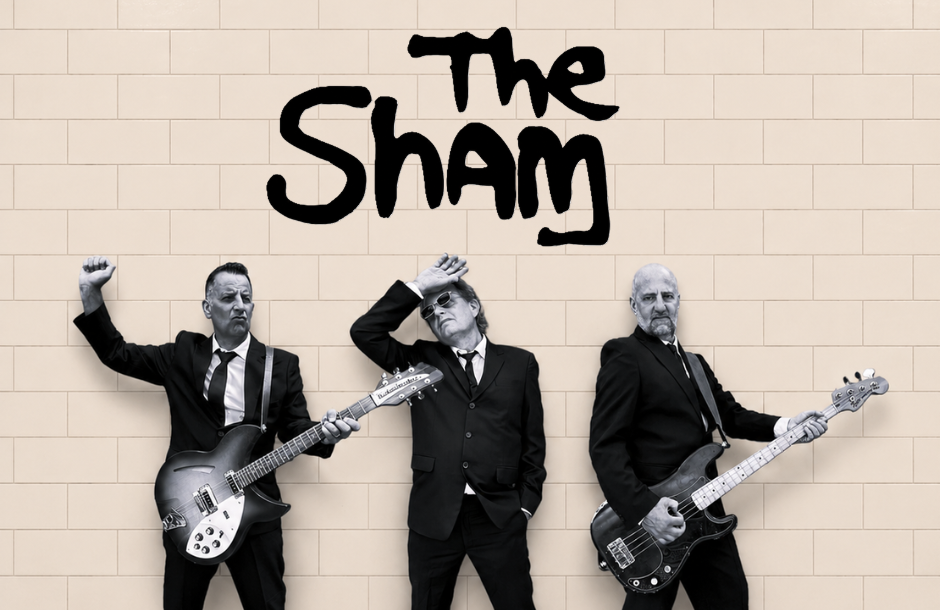

The Sham
the essential tribute to The Jam


Live Videos

Going UnderGround
“Going Underground” — written by Paul Weller and produced by Vic Coppersmith‑Heaven — was released as a double A‑side single with “Dreams of Children” on 10 March 1980 on Polydor Records. Though not part of a studio album, it became The Jam’s first UK number‑one single, debuting straight at the top of the charts. The song delivers a sharp political commentary on Margaret Thatcher’s government, voter apathy, and the military‑industrial complex.

Private Hell
“Private Hell” — written by Paul Weller and produced by Vic Coppersmith‑Heaven — appears on The Jam’s fourth studio album, Setting Sons, released on 16 November 1979 by Polydor Records. The track is a tense, introspective portrait of emotional isolation and domestic despair, showcasing Weller’s sharp social commentary and the band’s darker, more mature sound during this era.

All Mod Cons / To Be Someone
“All Mod Cons” and “To Be Someone (Didn’t We Have a Nice Time)” — written by Paul Weller and produced by Vic Coppersmith‑Heaven — appear on The Jam’s third studio album, All Mod Cons, released on 3 November 1978 by Polydor Records. The title track sets the tone for the album’s sharp critique of modern British life, while To Be Someone delivers a biting, satirical look at fame, ego, and the emptiness of social climbing. Together, the songs form a seamless narrative of ambition, disillusionment, and the Mod identity that defined the band’s early era.

'A' Bomb In Wardour Street
“A Bomb in Wardour Street” — written by Paul Weller and produced by Vic Coppersmith‑Heaven — appears on The Jam’s third studio album, All Mod Cons, released on 3 November 1978 by Polydor Records. The song delivers a fierce, explosive critique of violence, urban decay, and the disillusionment of late‑70s London, capturing the band’s raw energy and sharp political edge during their early Mod‑punk era.

town called malice
“Town Called Malice” — written by Paul Weller and produced by Peter Wilson — appears on The Jam’s sixth studio album, The Gift, released on 12 March 1982 by Polydor Records. The song became one of the band’s most iconic hits, reaching No. 1 in the UK, blending Motown‑inspired rhythm with sharp social commentary about working‑class frustration, stagnation, and the desire to break free from a dead‑end town.

Eton Rifles
“The Eton Rifles” — written by Paul Weller and produced by Vic Coppersmith‑Heaven — appears on The Jam’s fourth studio album, Setting Sons, released on 16 November 1979 by Polydor Records. The song became one of the band’s most defining political statements, delivering a sharp, sarcastic critique of class privilege and the absurdity of working‑class youths clashing with elite public‑school cadets.

Down in THe TUbestation at midnight
“Down in the Tube Station at Midnight” — written by Paul Weller and produced by Vic Coppersmith‑Heaven — appears on The Jam’s third studio album, All Mod Cons, released on 3 November 1978 by Polydor Records. The song is one of the band’s most vivid and cinematic narratives, telling a tense, unsettling story of urban violence and paranoia through Weller’s sharp lyrics and the group’s tightly wound performance.
